Elevate Your Home With Professional Design Solutions
Transforming a home through professional architecture services involves more than just design. It requires a deep understanding of operational design and local building codes. Engaging with an experienced architect can address common challenges while increasing property value. The process is structured and thorough, guaranteeing that every detail conforms with the homeowner's vision. Yet, many homeowners experience difficulty to journey through this process effectively. What steps can they take to secure a successful alliance?
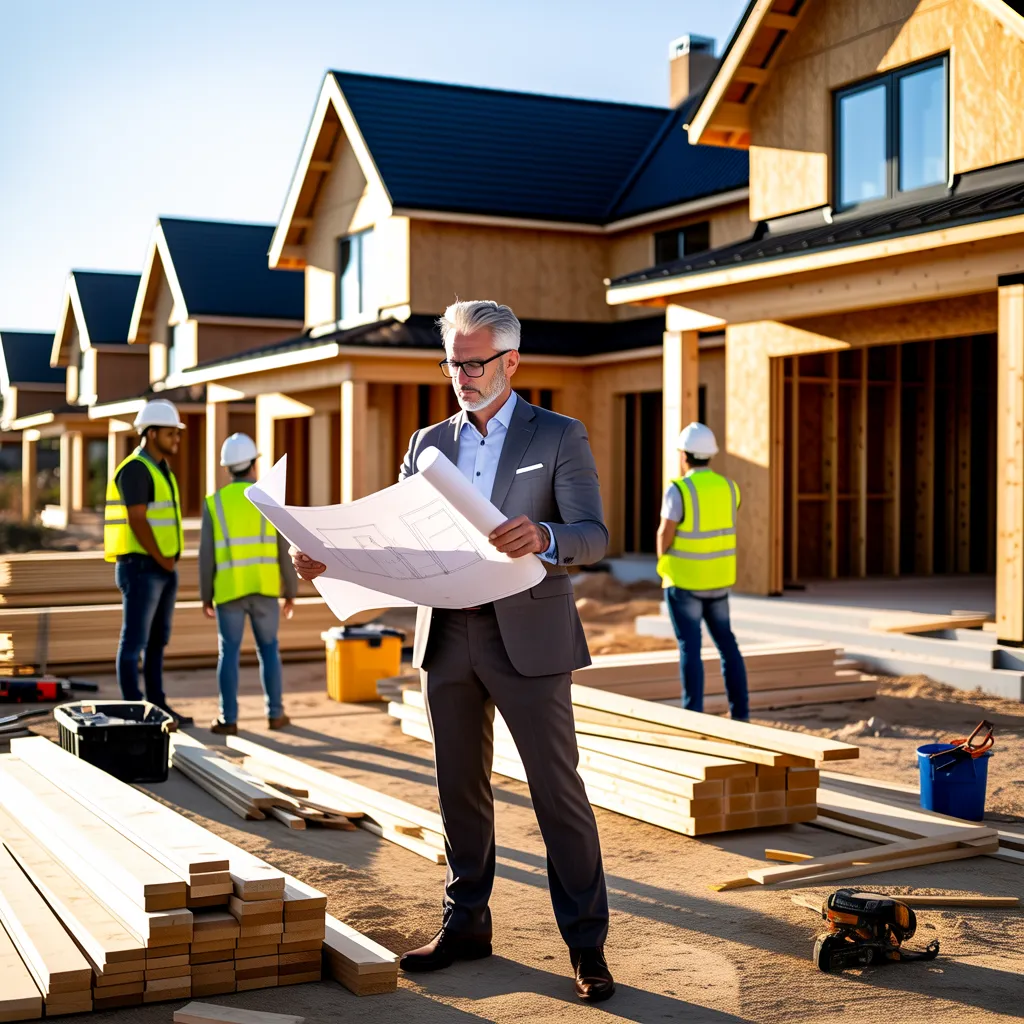
Typical Residential Design Hurdles and the Role Architects Play
What causes home design so difficult for many homeowners? The intricacy of juggling design tastes with functional needs often overwhelms them. Homeowners often grapple with space limitations, financial restrictions, and regulatory requirements, complicating the design process. Additionally, many are without the specialized knowledge needed to address structural considerations and building codes.
Architects fulfill an indispensable role in relieving these complications. Their instruction equips them to work through the complexities of planning, confirming that a occupant's vision matches with realistic realities. Architects can present creative answers to improve space while adhering to safety standards. They also assist in producing integrated designs that illustrate the occupant's manner. By offering understanding into materials and construction techniques, architects support streamline the selection activity. In conclusion, their expertise converts a seemingly daunting project into a cooperative journey, fostering a harmonious balance between creativity and practicality in home design.
Benefits of Partnering With a Professional Architect
Partnering with a expert designer enhances the house planning experience by uniting expert knowledge with the owner's dreams. Architects offer a extensive background in architectural standards, construction guidelines, and environmental practices, making certain that the assignment not only satisfies design targets but also follows compliance requirements. Their talent for conceptualizing and articulate complex ideas aids in converting conceptual frameworks into tangible designs.
Furthermore, architects can provide creative approaches to spatial challenges, improving layout and functionality. They also oversee the complexities of the building phase, collaborating with contractors and suppliers to guarantee schedules and finances are maintained. This professional oversight reduces possible mistakes and reduces the stress associated with home construction or remodeling. Ultimately, working with an architect results in a well-designed, cohesive space that embodies the homeowner's personality while enhancing overall property value.
What Make Up the Fundamental Elements in the Construction Design Process?
In what way does the architectural process progress from concept to conclusion? The journey commences with an first meeting, where the designer and customer discuss objectives, requirements, and cost parameters. This stage is essential for establishing a shared understanding. Following this, the designer undertakes location assessment, evaluating considerations like topography, climate, and zoning regulations.
Subsequently, the design phase gets started. At this stage, visual sketches and computer models are fashioned, allowing the client to visualize the project. Once the design is established, the architect drafts detailed construction documents, listing specifications and drawings.
Upon obtaining necessary permits, the project enters the construction phase. The architect often works with contractors to guarantee that the plan is implemented correctly. Regular site visits and assessments help preserve standards and adherence to the original vision. Finally, the project culminates in a walkthrough, confirming that the finished structure satisfies the client's expectations before the official handover.
What's the Best Way to Choose the Ideal Architect for Your Home?
Locating the ideal architect for a home requires careful evaluation and research. Potential property buyers should start by establishing their particular requirements and budget, which will guide their search. Suggestions from friends, family, or real estate experts can provide useful connections. Internet portfolios and testimonials assist with assessing an designer's previous work and client satisfaction.
Next, potential clients should interview multiple candidates to determine their speaking approach, expertise, and approach to design. It's critical to explore timelines and project expectations to guarantee mutual understanding. Additionally, checking credentials and verifying relevant licenses and certifications can circumvent future complications.
Ultimately, property owners should follow their intuition. The best architect should not only demonstrate the necessary skills but also complement the homeowner's aspirations and beliefs. This partnership establishes a collaborative environment, in the end producing a successful partnership in developing a dream home.
How to Express Your Goals Successfully
Communicating a vision for interior design proficiently is essential for a successful cooperation between homeowners and design consultants. To achieve this, homeowners should start by explicitly specifying their needs and preferences. Assembling a mood board with graphics, colors, and textures can help conveying visual desires. Additionally, outlining practical requirements, such as space allocation and spatial arrangement, ensures professional tips that the architect understands operational aspects.
Property owners should also participate in frank discussion, encouraging questions and feedback to refine their vision. Regular check-ins during the design process foster collaboration and transparency. Using straightforward language to express ideas and concerns can avoid misunderstandings and help match goals.
Finally, being receptive to the architect's expertise allows for a more vibrant dialogue. By merging personal vision with professional insight, homeowners can facilitate a constructive relationship that results in a beautifully designed space reflecting their aspirations.
Guide to Controlling expenses for Architectural Services
While starting a home design project, establishing a budget for architecture services is crucial to avoid financial strain later. Homeowners should begin by investigating typical fees in their area, which can vary based on the project's complexity and the architect's experience. It is recommended to allocate a percentage of the overall project cost specifically for architectural services, typically ranging from 5% to 15%.
Next, interested customers should determine the scope of services required—whether they desire full design and project coordination or just introductory consultations. Fostering transparent dialogue with potential architects concerning their fee structures can provide understanding on expenses.
Additionally, homeowners should account for unexpected expenses and potential revisions, establishing a financial reserve in the budget. By clearly defining their monetary limits upfront, customers can guarantee they select an architect who reflects their vision while remaining within their financial limits.
Often Asked Queries
What Building Types May I Pick for My Home?
Homeowners may select from diverse building designs, encompassing modern, traditional, colonial, Mediterranean, and contemporary. Each style delivers distinctive aesthetics and performance, allowing individuals to express personal preference while considering regional influences and environmental factors.
How Much Time Does the Architectural Process Typically Consume?
The design procedure typically requires multiple months, depending on project intricacy, design approvals, and local codes. Elements such as client feedback and building timelines can also influence the schedule greatly throughout the process.
Can Design specialists Lend expertise To Environmentally conscious Development Alternatives?
Architects can truly help with sustainable design options. They include environmentally responsible materials, energy-efficient systems, and innovative layouts, guaranteeing projects minimize environmental impact while maximizing functionality and aesthetic appeal, matching with clients' sustainability goals effectively.
Which Requirements Would I Look for in an Architect?
When hiring an design specialist, one should look at their qualifications, licensure, experience in relevant projects, portfolio showcasing design style, and grasp of local compliance standards. Communication skills and feedback from previous clients also prove essential in the evaluation process.
What Approach Do Building Designers Take to Tackle Zoning and Permit Problems?
Architects address regulatory obstacles by conducting thorough research on regional requirements, assembling required paperwork, and communicating to municipal authorities. Their knowledge guarantees adherence, expediting the approval process for client projects effectively.